Lombardy
Lombardia
producers
Lombardy
NorthwestLombardia
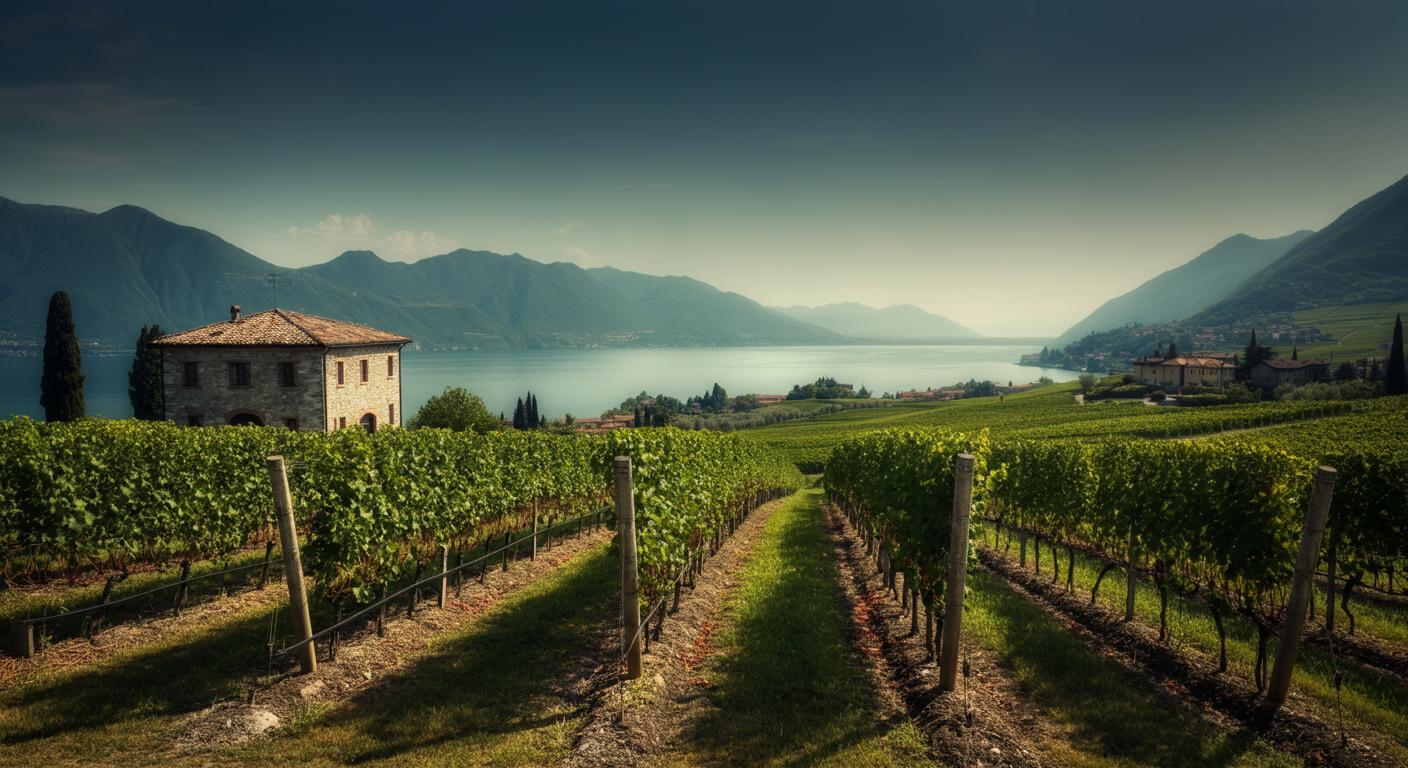
Lombardy is home to Franciacorta, Italy's answer to Champagne, as well as the elegant reds of Valtellina made from Nebbiolo (known locally as Chiavennasca). The region spans from Alpine vineyards to the Po Valley.
producers
with website
cities
denominations
Main Grapes
Nebbiolo, Chardonnay, Pinot Nero, Pinot Bianco, Croatina, Barbera
Denominations
Lombardy is Italy's most populous region but also home to two of its most distinctive wine zones: Franciacorta (Italy's premier metodo classico sparkling wine) and Valtellina (heroic-viticulture Nebbiolo from steep Alpine terraces). The region also includes Oltrepò Pavese, an underrated source of Pinot Nero and sparkling wines.
History & Heritage
Lombardy's modern wine identity was forged in the 1960s when Guido Berlucchi produced the first Franciacorta metodo classico in 1961, modeled on Champagne. Valtellina's terraced vineyards, in contrast, date back to Roman times, with steep stone-walled terraces (a UNESCO-recognized cultural landscape) that have produced Nebbiolo (locally called Chiavennasca) for over 2,000 years. The region's prosperity made it an early adopter of modern winemaking technology and international varieties.
Terroir & Climate
Franciacorta sits south of Lake Iseo, on morainic soils left by Pleistocene glaciers — a mix of clay, limestone, and gravel that drains well and warms quickly. Valtellina, by contrast, is the Italian Alps: south-facing terraces at 300-700m elevation, with stone walls retaining heat and creating a Mediterranean microclimate within an Alpine valley. Oltrepò Pavese has cooler, calcareous hills ideal for Pinot Noir-based sparklings.
Key Denominations
- FranciacortaDOCG— Metodo classico sparkling from Chardonnay, Pinot Noir, Pinot Bianco, Erbamat. Italy's most prestigious sparkling wine zone.
- Sforzato di ValtellinaDOCG— Appassimento Nebbiolo from terraced Alpine vineyards — Lombardy's answer to Amarone, but lighter and more mountain-perfumed.
- Valtellina SuperioreDOCG— 100% Chiavennasca (Nebbiolo) from five subzones (Inferno, Grumello, Sassella, Valgella, Maroggia).
- Oltrepò Pavese Metodo ClassicoDOCG— Pinot Noir-based sparkling from southern Lombardy — older than Franciacorta but less internationally famous.
- LuganaDOC— Trebbiano di Lugana white from south of Lake Garda — straddles Lombardy and Veneto.
Iconic Wines
- Franciacorta (Chardonnay / Pinot Noir / Pinot Bianco)Italy's flagship metodo classico sparkling. By regulation, longer minimum lees aging than non-vintage Champagne (18 vs 15 months).
- Sforzato di Valtellina (Nebbiolo (Chiavennasca))Air-dried Alpine Nebbiolo — concentrated but elegant, with mountain-herb aromatics absent from southern appassimento wines.
- Valtellina Superiore Sassella / Inferno (Nebbiolo)Cru-level Valtellina from steep terraces — savory, perfumed, age-worthy.
Native Grape Varieties
- Chiavennasca (Nebbiolo) — Valtellina's clone of Nebbiolo, adapted to Alpine altitude and steep terraces. Lighter and more aromatic than Piedmont Nebbiolo.
- Erbamat — Ancient white grape recovered for Franciacorta blends — high acidity, used to add structure as climate warms.
- Trebbiano di Lugana — Distinct local clone of Trebbiano (genetically related to Verdicchio), giving structured, age-worthy whites from Lake Garda.
- Croatina — Oltrepò Pavese red grape, deeply colored and tannic, often blended with Barbera.
Frequently Asked Questions
Is Franciacorta the same as Prosecco?
No. Franciacorta is made by the metodo classico (Champagne method) — second fermentation in the bottle — using Chardonnay, Pinot Noir, Pinot Bianco, and Erbamat. Prosecco is made by the Charmat method (second fermentation in tank) from Glera. Franciacorta has longer minimum aging, more complexity, and a higher price point. Stylistically it's closer to Champagne than to Prosecco.
What makes Valtellina viticulture 'heroic'?
Valtellina's vineyards are planted on steep terraces (sometimes over 50% gradient) supported by hand-built stone walls totaling over 2,500 km. All work — pruning, harvest, treatments — is done by hand, often using small monorack systems for grape transport. The total terraced area, recognized by UNESCO, makes Valtellina one of Europe's most labor-intensive wine regions.
What is Sforzato (or Sfursat)?
Sforzato di Valtellina is a DOCG dry red made from Nebbiolo grapes air-dried for 3-4 months before fermentation, similar to Amarone. The Alpine altitude gives it more aromatic lift and freshness than Veneto appassimento wines. Minimum 14% alcohol, with notes of dried cherry, alpine herbs, and forest floor.
What are the five subzones of Valtellina Superiore?
Maroggia, Sassella, Grumello, Inferno, and Valgella — each a distinct hillside slope with different exposure, altitude, and soil. Sassella and Inferno are generally considered the most prestigious crus.
Where is Franciacorta?
Franciacorta is in the province of Brescia, Lombardy, just south of Lake Iseo. It's about 90 minutes east of Milan and 30 minutes from Bergamo airport — the most accessible major Italian wine region from a Lombardy base.
Best time to visit: May-October. Franciacorta is year-round friendly; Valtellina's terraces are most spectacular in autumn.
Wineries
Filters
Showing 297 of 297 producers
producers
Wine experiences in Lombardy
Discover guided tours, multi-winery tastings, and food & wine experiences across the Lombardy region.
Affiliate link — we may earn a small commission, at no extra cost to you.
Love Lombardy wines?
Get updates on new producers from this region.