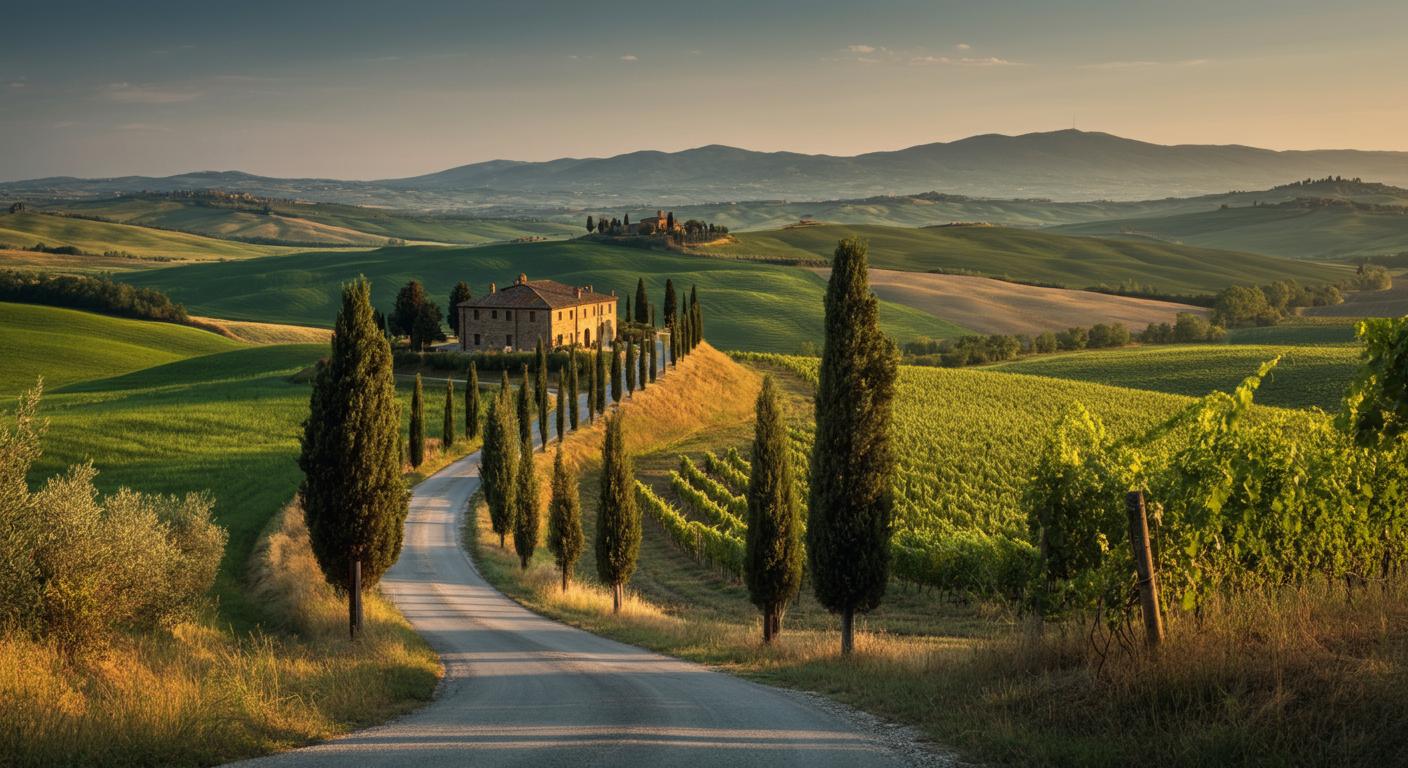
Tuscany
Toscana
producers
Tuscany
CentralToscana
Tuscany is synonymous with Italian wine excellence. From the rolling hills of Chianti to the coastal Bolgheri, this region produces iconic Sangiovese-based wines including Brunello di Montalcino and Vino Nobile di Montepulciano.
producers
with website
cities
denominations
Main Grapes
Sangiovese, Cabernet Sauvignon, Merlot, Trebbiano, Vernaccia, Vermentino, Canaiolo
Denominations
Tuscany is Italy's most internationally recognized wine region, home to Chianti, Brunello di Montalcino, and the Super Tuscans. Sangiovese-based reds dominate the production, but the region also produces world-class white wines like Vernaccia di San Gimignano. Over 60,000 hectares of vineyards stretch from the Apennines to the Tyrrhenian coast.
History & Heritage
Tuscany's winemaking tradition dates back to the Etruscans in the 8th century BC, predating Roman viticulture. The Chianti zone was officially delimited by Cosimo III de' Medici in 1716 — one of the world's first protected wine designations. The 1970s 'Super Tuscan' revolution, led by Sassicaia and Tignanello, broke from DOC rules to blend Sangiovese with Bordeaux varieties, redefining what Tuscan wine could be on the global stage.
Terroir & Climate
Tuscany's terroir is defined by galestro and alberese soils — friable schist and limestone that drain well and stress the vines into producing concentrated fruit. The region spans elevations from sea level to 600 meters in Chianti Classico. The Mediterranean climate, moderated by altitude inland and sea breezes on the coast, gives long, dry summers and cool nights — ideal for the late-ripening Sangiovese.
Key Denominations
- Chianti ClassicoDOCG— Heart of historic Chianti zone, between Florence and Siena. Min. 80% Sangiovese.
- Brunello di MontalcinoDOCG— 100% Sangiovese Grosso, 5-year aging requirement. Among Italy's most coveted reds.
- Vino Nobile di MontepulcianoDOCG— Min. 70% Sangiovese (locally Prugnolo Gentile), aged 2 years minimum.
- BolgheriDOC— Coastal zone where Super Tuscans like Sassicaia and Ornellaia put Italy on the Bordeaux map.
- Vernaccia di San GimignanoDOCG— Tuscany's most distinguished white, from the medieval hilltop town.
Iconic Wines
- Brunello di Montalcino (Sangiovese Grosso)Power, structure, and cellaring potential of 20+ years. The reference Italian red for collectors.
- Sassicaia (Cabernet Sauvignon / Cabernet Franc)The wine that launched the Super Tuscan movement in 1968. Bolgheri DOC's flagship.
- Chianti Classico Gran Selezione (Sangiovese)Top tier of Chianti Classico, requiring estate-grown grapes and 30 months aging.
- Tignanello (Sangiovese / Cabernet Sauvignon)Antinori's groundbreaking 1971 blend that broke Chianti rules and started a movement.
Native Grape Varieties
- Sangiovese — Tuscany's defining grape — high acidity, firm tannins, savory cherry fruit. Expressed differently across each subzone.
- Canaiolo — Traditional blending partner for Sangiovese, adds softness and floral aromas.
- Vernaccia — Crisp white from San Gimignano with notes of almond, citrus, and salinity.
- Trebbiano Toscano — Workhorse white, used in Vin Santo and historical Chianti recipes.
Frequently Asked Questions
What is the difference between Chianti and Chianti Classico?
Chianti Classico comes from the original historic zone between Florence and Siena, marked by the Black Rooster (Gallo Nero) seal. It requires a higher minimum Sangiovese percentage (80% vs 70%) and longer aging, producing more structured and age-worthy wines than generic Chianti DOCG.
What are Super Tuscans?
Super Tuscans are premium Tuscan wines that historically broke DOC rules by blending Sangiovese with international varieties like Cabernet Sauvignon and Merlot, or by using 100% non-traditional grapes. Originally classified as IGT, many are now produced under Bolgheri DOC. Sassicaia, Tignanello, and Ornellaia are the most famous examples.
How long can Brunello di Montalcino age?
Top vintages of Brunello di Montalcino can age gracefully for 20-40 years. The DOCG requires a minimum 5 years of aging before release (4 years for the riserva is 6), and the wines continue evolving in bottle for decades.
When is the best time to visit Tuscan wineries?
Late spring (May-June) and early autumn (September-October) are ideal. Harvest typically runs from mid-September to mid-October — many producers welcome visitors during this period, but booking ahead is essential.
How many wineries are in Tuscany?
Tuscany has over 7,000 wine producers across more than 40 DOCG and DOC zones. Italian Winery Directory currently catalogs the most relevant ones organized by consortium.
Best time to visit: April through October, with harvest excitement peaking mid-September to mid-October.
Wineries
Filters
Showing 886 of 886 producers
producers
Wine experiences in Tuscany
Discover guided tours, multi-winery tastings, and food & wine experiences across the Tuscany region.
Affiliate link — we may earn a small commission, at no extra cost to you.
Love Tuscany wines?
Get updates on new producers from this region.