Veneto
producers
Veneto
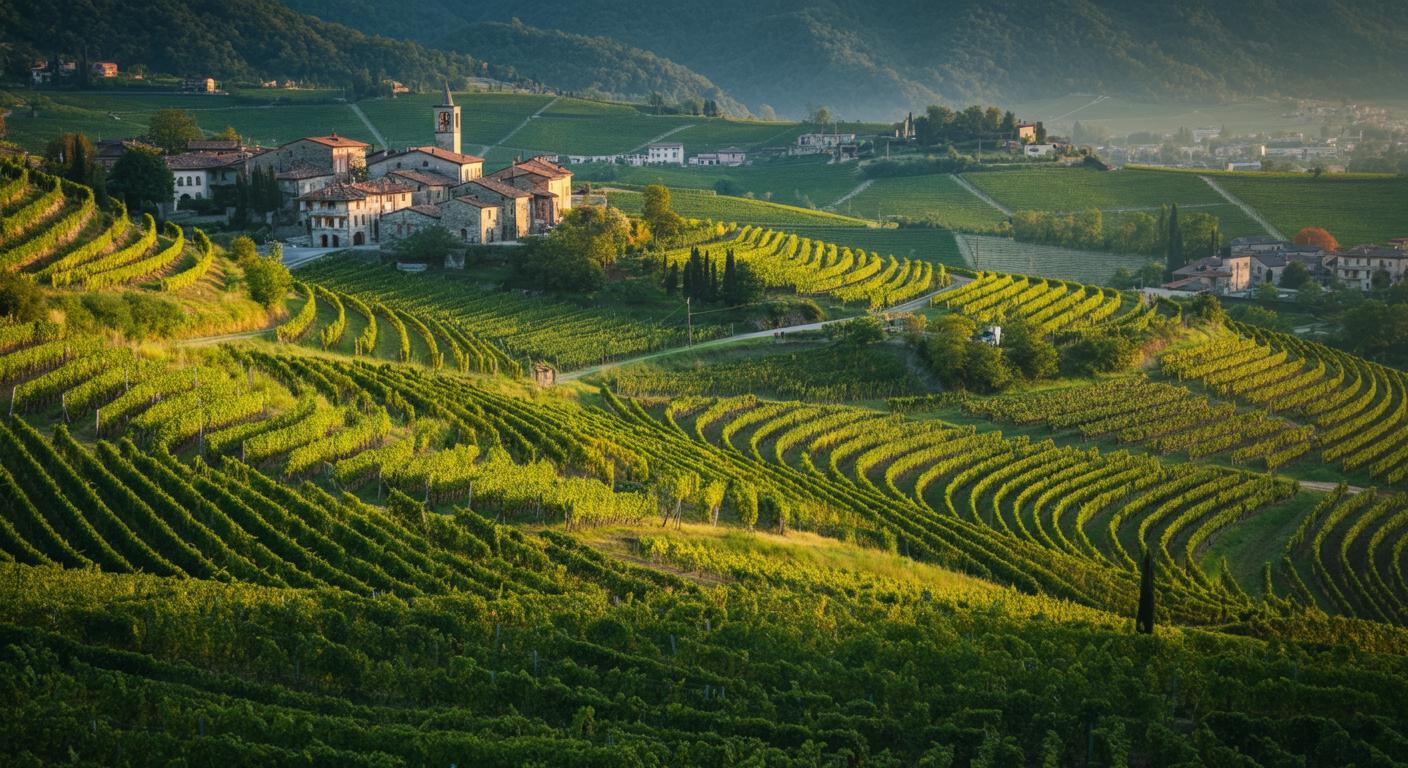
NortheastThe Veneto is Italy's most productive wine region, famous for Prosecco, Amarone della Valpolicella, and Soave. Its diverse terroir spans from Alpine foothills to the Adriatic coast.
producers
with website
cities
denominations
Main Grapes
Corvina, Rondinella, Garganega, Glera, Pinot Grigio, Trebbiano di Soave, Molinara
Denominations
Veneto is Italy's largest wine producer by volume, home to globally famous styles: Prosecco, Amarone della Valpolicella, and Soave. The region stretches from the shores of Lake Garda east to Venice, and from the Dolomites south to the Po valley, encompassing dramatically different terroirs in a single administrative region.
History & Heritage
Veneto's wine history runs through the Republic of Venice, which made the region a major wine trading hub from the 13th century onward. The drying technique (appassimento) used to make Amarone and Recioto dates back to Roman times. Modern Prosecco production took off in the 1970s when the Charmat (tank) method made the wine more accessible globally — leading to the DOCG split between Conegliano Valdobbiadene (the historic, hillside zone) and the larger Prosecco DOC area.
Terroir & Climate
Veneto spans three distinct zones: the western Garda area with morainic gravelly soils giving lighter Bardolino and Lugana; the central Valpolicella with limestone-rich hills perfect for Corvina; and the eastern Conegliano-Valdobbiadene hillsides where steep, hand-harvested glera vineyards produce the finest Prosecco. Lake Garda moderates winter temperatures in the west, while Adriatic influence reaches inland to balance summer heat.
Key Denominations
- Amarone della ValpolicellaDOCG— Dried-grape red made from Corvina, Rondinella, Molinara. Powerful, raisinated, often 15%+ alcohol.
- Soave ClassicoDOC— Garganega-based white from volcanic hills east of Verona. Mineral and almond-tinged.
- Conegliano Valdobbiadene Prosecco SuperioreDOCG— The historic, hillside Prosecco zone — hand-harvested on slopes too steep for machines.
- BardolinoDOCG— Light, fresh red from the Garda shore, made from Corvina.
- Recioto della ValpolicellaDOCG— The sweet ancestor of Amarone — appassimento with residual sugar retained.
Iconic Wines
- Amarone della Valpolicella (Corvina / Rondinella / Molinara)Grapes are dried on racks for 100-120 days before fermentation, concentrating sugar and flavor. Among the world's most distinctive reds.
- Prosecco Superiore Cartizze (Glera)The grand cru of Prosecco — 107 hectares on the steepest hillside of Valdobbiadene.
- Soave Classico (Garganega)From volcanic basalt soils, with notes of yellow apple, almond, and white flowers. Best examples age beautifully.
Native Grape Varieties
- Corvina — The backbone of Valpolicella reds — bright cherry, light tannin, high acidity. Star performer in appassimento.
- Garganega — Soave's defining white grape — late-ripening, lemon and almond-driven, with surprising aging potential on volcanic soil.
- Glera — The grape of Prosecco — neutral, fresh, perfect canvas for Charmat-method sparkling.
- Rondinella & Molinara — Traditional blending grapes for Valpolicella, adding color and herbal lift.
Frequently Asked Questions
What is the difference between Prosecco DOC and Prosecco DOCG?
Prosecco DOC covers a vast 9-province area producing roughly 90% of total Prosecco — generally easier-drinking and machine-harvested. The DOCG (Conegliano Valdobbiadene + Asolo) covers steep hillside vineyards that must be hand-harvested, producing more structured, terroir-driven sparklings. The DOCG is identified by the official band on the bottle neck.
What is Amarone and how is it made?
Amarone della Valpolicella is a dry red made from grapes (Corvina, Rondinella, Molinara) dried on bamboo racks or in modern climatic chambers for 100-120 days. This appassimento process concentrates sugar, tannin, and flavor. After fermentation to dryness, the wine ages in oak for 2-4 years. The result: 15-16% alcohol, raisin and dried-cherry flavors, and remarkable longevity.
What is Ripasso?
Ripasso ('repassed') is a technique where Valpolicella wine is refermented on the leftover skins of Amarone production, gaining body, color, and complexity. Often called 'baby Amarone,' it's a more affordable way to taste the appassimento style.
Is Soave a sweet wine?
Soave is a dry white wine. The confusion comes from Recioto di Soave, the sweet passito version made from dried grapes. Standard Soave (and especially Soave Classico) is bone-dry, with notes of apple, almond, and minerality.
What's the best time to visit Veneto wineries?
May-June for Prosecco hills in spring bloom, September-October for the appassimento drying spectacle in Valpolicella. Vinitaly, Italy's largest wine fair, takes place in Verona every April.
Best time to visit: May-June for Prosecco country in bloom, September-October for harvest and appassimento drying.
Wineries
Filters
Showing 804 of 804 producers
producers
Wine experiences in Veneto
Discover guided tours, multi-winery tastings, and food & wine experiences across the Veneto region.
Affiliate link — we may earn a small commission, at no extra cost to you.
Love Veneto wines?
Get updates on new producers from this region.