Sicily
Sicilia
producers
Sicily
IslandsSicilia
Sicily is Italy's largest island and a wine powerhouse. From the volcanic slopes of Mount Etna to the western plains of Marsala, Sicily produces distinctive wines from indigenous varieties like Nero d'Avola and Nerello Mascalese.
producers
with website
cities
denominations
Main Grapes
Nero d'Avola, Nerello Mascalese, Nerello Cappuccio, Grillo, Catarratto, Carricante, Zibibbo, Frappato
Sicily is Italy's largest wine region by area and one of its most historically important — a Mediterranean crossroads where Greek, Phoenician, Arab, and Norman influences shaped a unique viticultural identity. From the volcanic slopes of Mount Etna to the warm hills of western Sicily, the island produces everything from elegant high-elevation reds to fortified Marsala.
History & Heritage
Sicilian winemaking dates to Greek colonization in the 8th century BC — older than continental Italian viticulture. Marsala became internationally famous in the 18th century when English merchant John Woodhouse fortified local wine for export. The 20th century saw mass production and bulk wine reputation, but a quality revolution since the 1980s — led by Planeta, Donnafugata, and the Etna pioneers — has restored Sicily's prestige.
Terroir & Climate
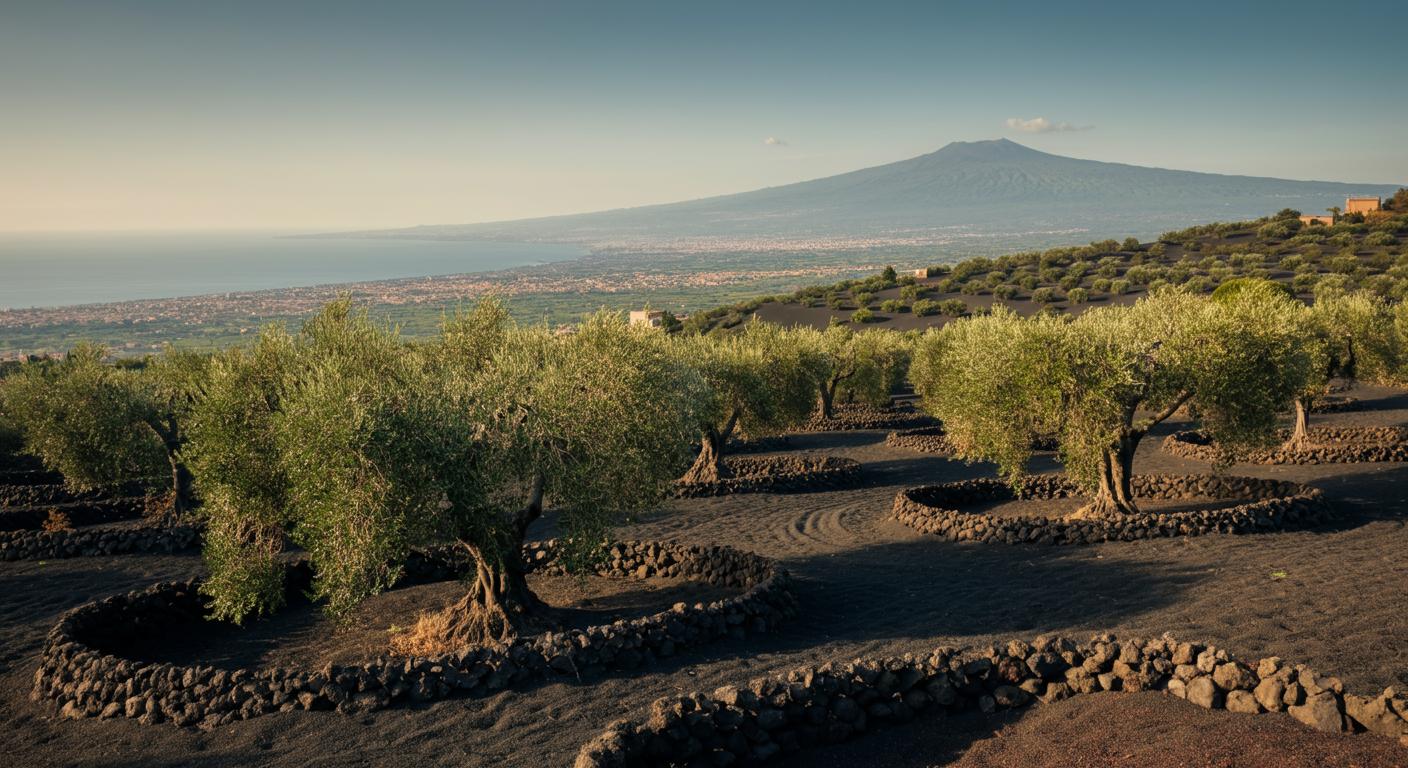
Sicily's terroir is dramatically varied. Mount Etna's volcanic black soils, mineral-rich and well-drained, give bright, perfumed reds at altitudes up to 1,000 meters. Western Sicily has limestone and sandy soils baked under Mediterranean sun — perfect for richer, riper styles. Pantelleria and the Aeolian islands add volcanic island terroirs ideal for sweet wines. The Mediterranean climate is hot and dry, but altitude and sea breezes create cooler microclimates.
Key Denominations
- Etna Rosso & Etna BiancoDOC— Volcanic, high-altitude wines from Nerello Mascalese and Carricante. Sicily's most prestigious appellation.
- MarsalaDOC— Fortified wine from western Sicily, ranging from dry aperitif styles to sweet dessert wines.
- Cerasuolo di VittoriaDOCG— Sicily's only DOCG — a Frappato-Nero d'Avola blend from southeastern Sicily.
- Passito di PantelleriaDOC— Sweet wine from sun-dried Zibibbo (Muscat of Alexandria) on the volcanic island of Pantelleria.
- Sicilia DOCDOC— Regional appellation covering most of the island, with strict yield and quality requirements.
Iconic Wines
- Etna Rosso (Nerello Mascalese)Often compared to Burgundy's Pinot Noir — pale, perfumed, mineral-driven, with volcanic ash undertones. From vineyards at 600-1,000m on Mt Etna.
- Cerasuolo di Vittoria (Nero d'Avola / Frappato)Sicily's only DOCG — the cooler Frappato lifts the muscular Nero d'Avola, producing fragrant, cherry-forward reds.
- Passito di Pantelleria (Zibibbo)Apricot, honey, and saffron flavors from grapes dried under intense Mediterranean sun on volcanic Pantelleria island.
- Marsala Vergine (Grillo / Catarratto / Inzolia)Aged for minimum 5 years (10 for riserva), no caramel or fortified must added. A serious aperitif rivaling fino sherry.
Native Grape Varieties
- Nero d'Avola — Sicily's flagship red — full-bodied, dark fruit, soft tannins. Versatile across styles from easy-drinking to age-worthy.
- Nerello Mascalese — Etna's signature grape — high-altitude, Pinot-like elegance, age-worthy, with volcanic minerality.
- Carricante — Etna's white grape — high acidity, lemon and flint, ages remarkably for a Mediterranean white.
- Grillo — Crisp aromatic white traditionally used in Marsala, now making excellent dry table whites.
- Frappato — Light, fragrant red — pale ruby color, strawberry and herb aromas, low tannin.
- Zibibbo (Muscat of Alexandria) — Aromatic grape behind Pantelleria's celebrated sweet passito wines.
Frequently Asked Questions
Why is Etna wine compared to Burgundy?
Etna Rosso, made from Nerello Mascalese, shares Pinot Noir's pale color, high acidity, fragrant red-fruit profile, and ability to express terroir nuance. Etna's contrade (cru-like vineyard zones) on different lava flows produce wildly distinct wines, paralleling Burgundy's plot-by-plot expression. The high altitudes (600-1,000m) and volcanic soils make Etna one of Italy's most exciting fine-wine regions.
What is Marsala and is it like sherry?
Marsala is Sicily's fortified wine, made by adding grape spirit to base wine and aging it. Like sherry, it ranges from bone-dry (Vergine) to richly sweet (Dolce), and uses a solera-like aging system in some styles. Unlike sherry, Marsala has historically been used in cooking (Veal Marsala, Zabaglione), but quality producers now make serious aperitif and dessert versions.
What is Cerasuolo di Vittoria?
Cerasuolo di Vittoria is Sicily's only DOCG, produced in the southeastern province of Ragusa. It's a blend of 50-70% Nero d'Avola and 30-50% Frappato, producing aromatic, cherry-driven reds with bright acidity. The cool Iblei mountain microclimate gives the wines their distinctive freshness.
Can you visit wineries on Mount Etna?
Yes — Mount Etna has become one of Italy's most exciting wine tourism destinations. Producers like Planeta, Tasca d'Almerita, Pietradolce, Tenuta delle Terre Nere, and Passopisciaro welcome visitors. Expect dramatic landscapes of black volcanic soil, ancient vines on terraced slopes, and views of an active volcano.
What is the best time to visit Sicily for wine?
April-June for spring temperatures and wildflowers, or September-October for harvest. Etna's harvest can extend into November due to the high altitudes. Avoid peak August — most wineries have reduced visitor hours, and the heat is intense.
Best time to visit: April-June or September-October. Etna's altitude harvest extends into November.
Wineries
Filters
Showing 384 of 384 producers
producers
Wine experiences in Sicily
Discover guided tours, multi-winery tastings, and food & wine experiences across the Sicily region.
Affiliate link — we may earn a small commission, at no extra cost to you.
Love Sicily wines?
Get updates on new producers from this region.