Piedmont
Piemonte
producers
Piedmont
NorthwestPiemonte
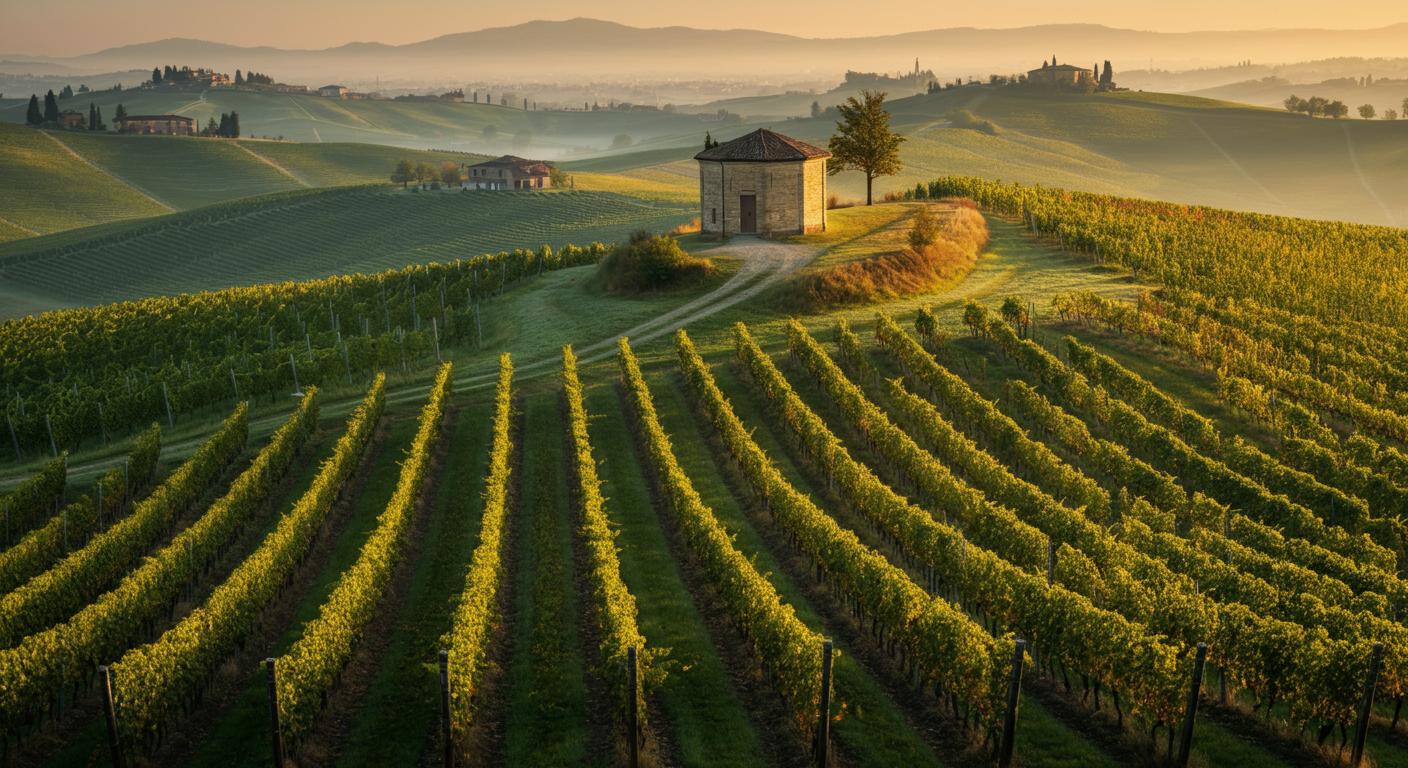
Piedmont is one of Italy's most prestigious wine regions, home to Barolo, Barbaresco, and many other world-class wines. Nestled in the foothills of the Alps, the region produces powerful reds from Nebbiolo and fresh whites from Arneis and Cortese.
producers
with website
cities
denominations
Main Grapes
Nebbiolo, Barbera, Dolcetto, Arneis, Cortese, Moscato, Brachetto, Grignolino, Freisa
Denominations
Piedmont is Italy's most prestigious red wine region, anchored by Barolo and Barbaresco — both produced from the demanding Nebbiolo grape. The hilly Langhe and Monferrato landscapes are a UNESCO World Heritage Site. Piedmont also produces Asti's celebrated sparkling wines and the rich, accessible Barbera.
History & Heritage
Piedmontese viticulture dates to pre-Roman Ligurian tribes, but the modern era began in the 19th century when Camillo Cavour and oenologist Louis Oudart applied Bordeaux-style vinification to Nebbiolo, creating the dry, age-worthy Barolo. Throughout the 20th century, the 'Barolo Boys' modernized the wine — fueling debates between traditionalists (long maceration, large Slavonian oak) and modernists (shorter macerations, French barriques) that shaped today's stylistic diversity.
Terroir & Climate
The Langhe hills are layered with calcareous marls (Sant'Agata Fossili and Lequio formations) that give Nebbiolo its tannic backbone and floral aromatics. Elevations range from 200 to 500 meters, and aspects vary dramatically across small hills — explaining why neighboring crus can produce wildly different wines. The continental climate — hot summers, cold winters, autumn fog (the famous 'nebbia' that gives Nebbiolo its name) — creates a long, slow ripening cycle that builds complexity.
Key Denominations
- BaroloDOCG— 100% Nebbiolo from 11 communes around Alba. Minimum 38 months aging (62 for riserva).
- BarbarescoDOCG— 100% Nebbiolo from Barbaresco, Neive, Treiso. Lighter and earlier-drinking than Barolo.
- Barbera d'AstiDOCG— Vibrant, fruit-forward Barbera from the Asti hills.
- Asti / Moscato d'AstiDOCG— Fragrant aromatic sparklings/frizzantes from Moscato Bianco.
- GaviDOCG— Crisp, mineral white from Cortese grape, a Piedmont staple.
- RoeroDOCG— Nebbiolo and Arneis from sandy soils on the left bank of the Tanaro river.
Iconic Wines
- Barolo (Nebbiolo)'The king of wines, the wine of kings.' Powerful, perfumed, age-worthy. Cru Barolos like Cannubi and Brunate are reference points.
- Barbaresco (Nebbiolo)Often called Barolo's elegant sister — silkier tannins, similar longevity. Producers like Gaja and Bruno Giacosa defined the modern category.
- Moscato d'Asti (Moscato Bianco)Lightly sparkling, low-alcohol, peach-and-orange-blossom dessert wine. A perfect aperitif.
Native Grape Varieties
- Nebbiolo — Late-ripening, thin-skinned, high in tannin and acidity. Produces age-worthy reds with notes of rose, tar, cherry, and truffle.
- Barbera — High acidity, low tannin, deeply fruited. Piedmont's most planted red — versatile and food-friendly.
- Dolcetto — 'Little sweet one' — soft, low-acid, plummy. Daily-drinking red that ripens before Barbera and Nebbiolo.
- Arneis — Aromatic white from Roero with notes of pear, almond, and hay. Once nearly extinct, now revived.
- Cortese — The grape behind Gavi — neutral but mineral and citrus-driven, ideal with seafood.
Frequently Asked Questions
What is the difference between Barolo and Barbaresco?
Both are 100% Nebbiolo, but Barbaresco's vineyards have slightly more calcareous soils and warmer microclimates, producing lighter, earlier-maturing wines. Barolo requires a minimum 38 months aging (vs 26 for Barbaresco), giving it more structure. Stylistically, Barolo is the powerhouse, Barbaresco the finesse.
Why is Nebbiolo called Nebbiolo?
The name derives from 'nebbia' (Italian for fog), referring to the autumn fog that blankets the Langhe hills during harvest. Some scholars also link the name to the natural bloom on the grape's skin, which resembles fog.
How long should you age a Barolo?
Top Barolo vintages are typically released 4-5 years after harvest and continue improving for 15-30 years. Producers in modern style (less extracted, French oak) tend to drink younger; traditionalists (long macerations, Slavonian oak) often need a decade in bottle.
What are the 11 Barolo communes?
Barolo, La Morra, Castiglione Falletto, Serralunga d'Alba, Monforte d'Alba, Novello, Verduno, Roddi, Grinzane Cavour, Diano d'Alba, and Cherasco. Each has distinct soils and styles, codified in the MGA (Menzioni Geografiche Aggiuntive) cru system.
When is the white truffle season in Piedmont?
White truffle (tartufo bianco d'Alba) season runs from mid-September through January, peaking in October-November. The Alba International White Truffle Fair is the season's centerpiece.
Best time to visit: late September through November — harvest, fall foliage, and white truffle season overlap.
Wineries
Filters
Showing 734 of 734 producers
producers
Wine experiences in Piedmont
Discover guided tours, multi-winery tastings, and food & wine experiences across the Piedmont region.
Affiliate link — we may earn a small commission, at no extra cost to you.
Love Piedmont wines?
Get updates on new producers from this region.